There are mountain bike destinations that everyone knows about, and then there are the places that quietly earn a devoted following among riders who value great trails over great publicity. Andorra firmly belongs in the latter category. Tucked between France and Spain in the heart of the Pyrenees, this tiny mountain principality has built a reputation as one of Europe's premier lift-assisted riding destinations, yet somehow still flies under the radar compared with the likes of Morzine, Saalbach or Finale Ligure.
There are mountain bike destinations that everyone knows about, and then there are the places that quietly earn a devoted following among riders who value great trails over great publicity. Andorra firmly belongs in the latter category. Tucked between France and Spain in the heart of the Pyrenees, this tiny mountain principality has built a reputation as one of Europe's premier lift-assisted riding destinations, yet somehow still flies under the radar compared with the likes of Morzine, Saalbach or Finale Ligure.
Spend a few days here and it quickly becomes obvious why so many riders return year after year. Modern gondolas whisk you from bustling valley towns to high alpine ridges, purpose-built flow trails weave effortlessly through forests, and centuries-old shepherds' paths plunge thousands of vertical metres back towards civilisation. Few destinations combine bike parks and natural mountain riding so successfully, and fewer still pack so much terrain into such a compact area.
The beauty of Andorra is that you never feel tied to one style of riding. One morning you might spend hours lapping perfectly shaped jump lines before heading out in the afternoon on a long enduro descent that disappears into remote valleys where the only company is grazing horses and the occasional hiker. That variety is what sets the country apart. Rather than choosing between a bike park holiday or an enduro adventure, you can have both.
Most visitors make La Massana their base, and for good reason. The village revolves around mountain biking during the summer months, with riders rolling through the streets in full-face helmets before breakfast and cafés filling with dusty bikes leaning against every available wall. The gondola leaves directly from the centre of town, making it possible to finish breakfast and be climbing towards the trails within minutes. Bike shops are everywhere, hire fleets are excellent, and there's a relaxed atmosphere that feels built around people who have come for one thing—riding bikes.
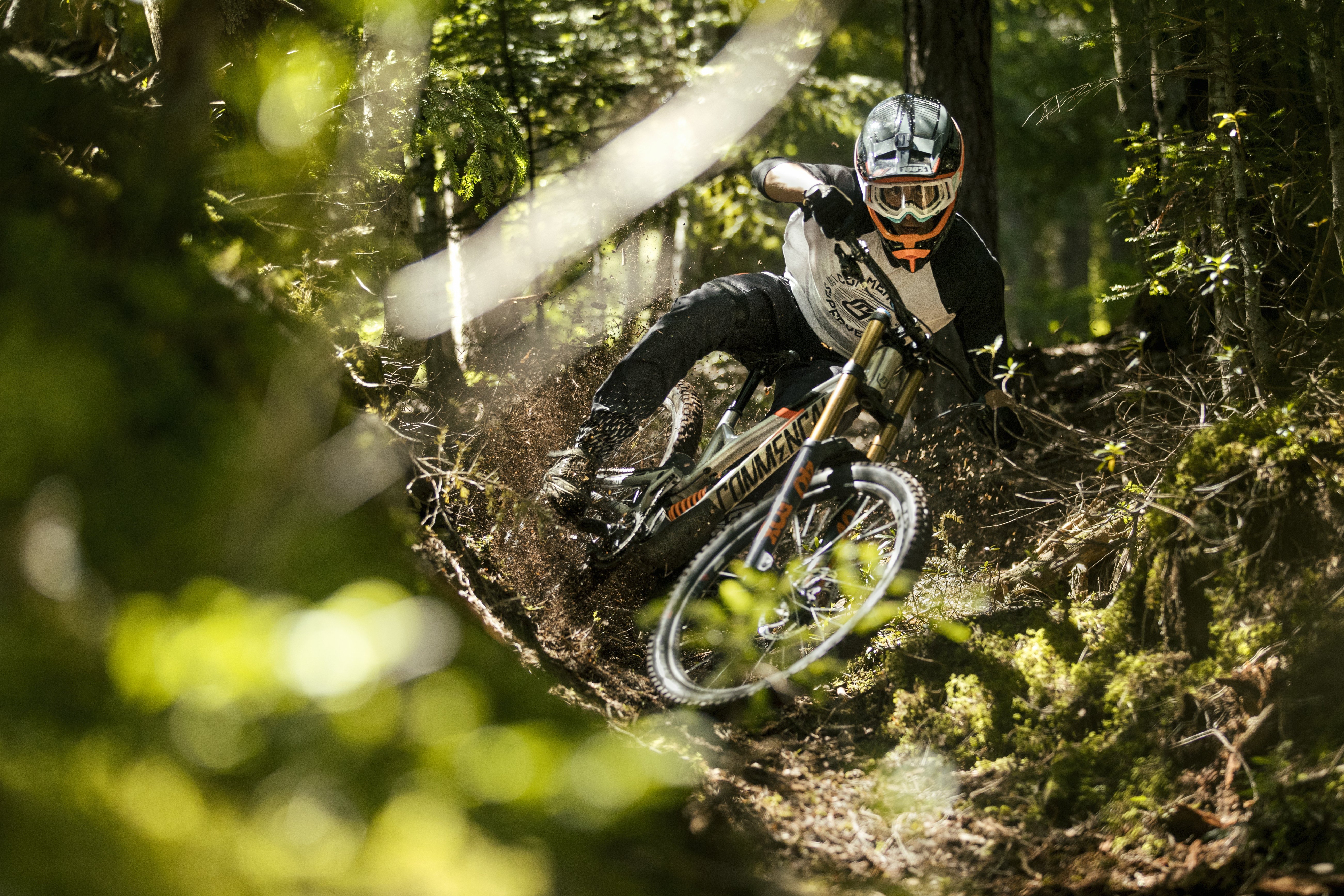
From La Massana, the gondola climbs into Pal Arinsal Bike Park, formerly known as Vallnord, one of Europe's longest-established gravity destinations. Hosting rounds of the UCI Downhill World Cup has helped shape its reputation, but it's the quality of the everyday riding that keeps people coming back. The trail builders have managed to create something for almost every rider, from gentle green trails that allow newcomers to discover gravity riding for the first time, through flowing blue descents that encourage speed and confidence, to steep technical black runs littered with rocks, roots and challenging line choices.
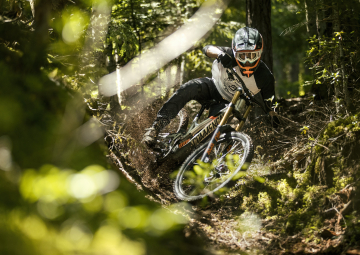
Unlike some bike parks that become repetitive after a day or two, Pal Arinsal rewards exploration. One lift lap might take you down a beautifully sculpted berm trail where every corner naturally feeds into the next, while the following run drops into dark pine forests where loose rocks, off-camber roots and natural terrain demand complete concentration. Even experienced riders rarely exhaust everything the mountain has to offer during a long weekend.
Yet many local riders will tell you that the real magic begins once you venture beyond the bike park boundaries.
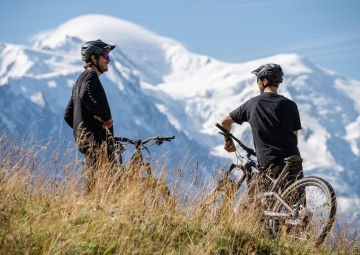
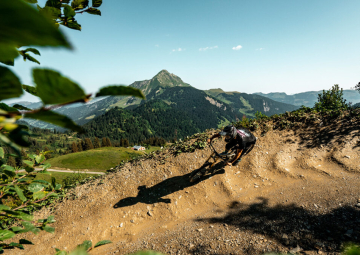
Across the country, the lifts of Grandvalira open up a completely different style of riding. Rather than concentrating on machine-built trails, the network around Soldeu, Canillo and Encamp provides access to vast natural terrain. Alpine ridgelines stretch towards the horizon, ancient trading paths descend through wildflower meadows, and narrow ribbons of singletrack thread between stone villages that have barely changed in generations. It feels less like riding in a bike park and more like discovering a mountain landscape that simply happens to be perfectly suited to mountain bikes.
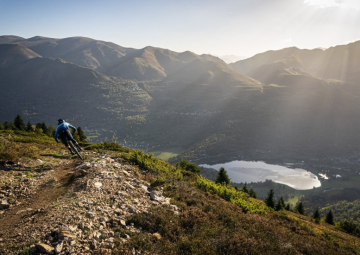
This is where Andorra has earned its reputation among enduro riders. Local guides have spent years linking together lifts, forgotten mountain paths and short connecting climbs to create enormous descents with remarkably little effort. It's perfectly possible to spend an entire day losing four or five thousand vertical metres while climbing only a fraction of that distance yourself. One trail might begin above the tree line on loose slate and exposed ridges before dropping into cool forests where the surface changes to deep loam and tangled roots. A few kilometres later, you're carving through medieval stone villages before loading your bike onto another gondola to do it all again somewhere completely different.
Many of the finest descents don't appear on official maps at all. They are the sort of trails passed between locals, guides and returning visitors, each one stitched together from old mule tracks, shepherds' routes and forgotten mountain paths. Hiring a guide for even a single day often unlocks riding that independent visitors would never discover on their own.
One of Andorra's greatest strengths is how much riding can be packed into a relatively short holiday. The country itself is only around thirty kilometres wide, meaning changing riding areas rarely involves more than half an hour in the car. It allows visitors to experience completely different terrain each day without the lengthy transfers often required in the Alps.
The riding season typically begins in June as the last snow retreats from the higher mountains. Early summer offers quiet trails, cool temperatures and vibrant alpine landscapes bursting with wildflowers. July and August bring reliable sunshine and every lift running at full capacity, although afternoon thunderstorms are a regular feature of mountain weather and usually encourage a leisurely café stop before heading back onto the hill. Many experienced visitors consider September to be the perfect month to visit, with warm days, crisp mornings, quieter trails and superb grip after the heat of summer.
Reaching Andorra is surprisingly straightforward despite its mountainous setting. Most international visitors fly into either Barcelona or Toulouse before hiring a car for the scenic drive into the Pyrenees. Barcelona is roughly three hours away, while Toulouse is slightly closer, and both routes climb steadily into increasingly dramatic scenery before crossing the border into the principality. For riders travelling from the UK with their own bikes, driving remains a popular option, particularly when combining Andorra with destinations in the French Alps or northern Spain as part of a longer European road trip.
Accommodation caters exceptionally well for mountain bikers. La Massana is the obvious choice if lift access is your priority, offering everything from budget apartments to quality hotels within walking distance of the gondola. Riders looking for a quieter atmosphere often stay in Arinsal, while Soldeu provides the perfect base for exploring Grandvalira's extensive natural trail network. Wherever you stay, it's rare to be more than a short drive from your next uplift.
Although the bike parks are impressive, it would be a mistake to think Andorra is only about downhill laps. The country has become one of Europe's leading enduro destinations because it preserves the character of its natural trails. Rather than sanitising every descent into machine-built perfection, many routes retain the rocks, technical corners and constantly changing terrain that make mountain riding so rewarding. The best days here rarely involve chasing the biggest jumps or fastest times. Instead, they're about linking together huge mountain descents, stopping occasionally to admire views stretching across the Pyrenees, and finishing the day pleasantly exhausted after thousands of metres of uninterrupted singletrack.
Back in the valley, the riding culture continues long after the lifts stop spinning. Restaurants fill with muddy riders comparing favourite descents over Catalan food and tapas, bike shops buzz with mechanics preparing machines for another day on the mountain, and the cafés of La Massana become as much a part of the experience as the trails themselves. Being duty-free doesn't hurt either, particularly if you've somehow managed to wear out brake pads, tyres or riding kit during the week.
For riders looking beyond the obvious Alpine destinations, Andorra offers something refreshingly complete. It combines world-class bike parks with authentic mountain adventures, modern uplift systems with centuries-old trails, and the convenience of a compact destination with enough riding to keep even experienced visitors occupied for weeks. It's the sort of place that quietly exceeds expectations, leaving many riders wondering why they didn't visit years earlier—and already planning their return before they've even left.